Risk management is the process of identifying, assessing and controlling potential threats that could jeopardize an organization’s operational efficiency, financial stability and compliance with regulatory standards. In cable manufacturing, where materials such as copper or aluminum are processed under strict safety and quality requirements, the importance of risk management cannot be overstated.
The cable manufacturing sector is essential for producing wires and cables that enable the transmission of electricity, data and signals in various applications, including telecommunications and energy. In Turkey, this sector has grown significantly and become a key player in both regional and global markets, thanks to its strategic geographical location and industrial capabilities. However, the sector faces numerous risks that threaten operational stability, profitability and safety.
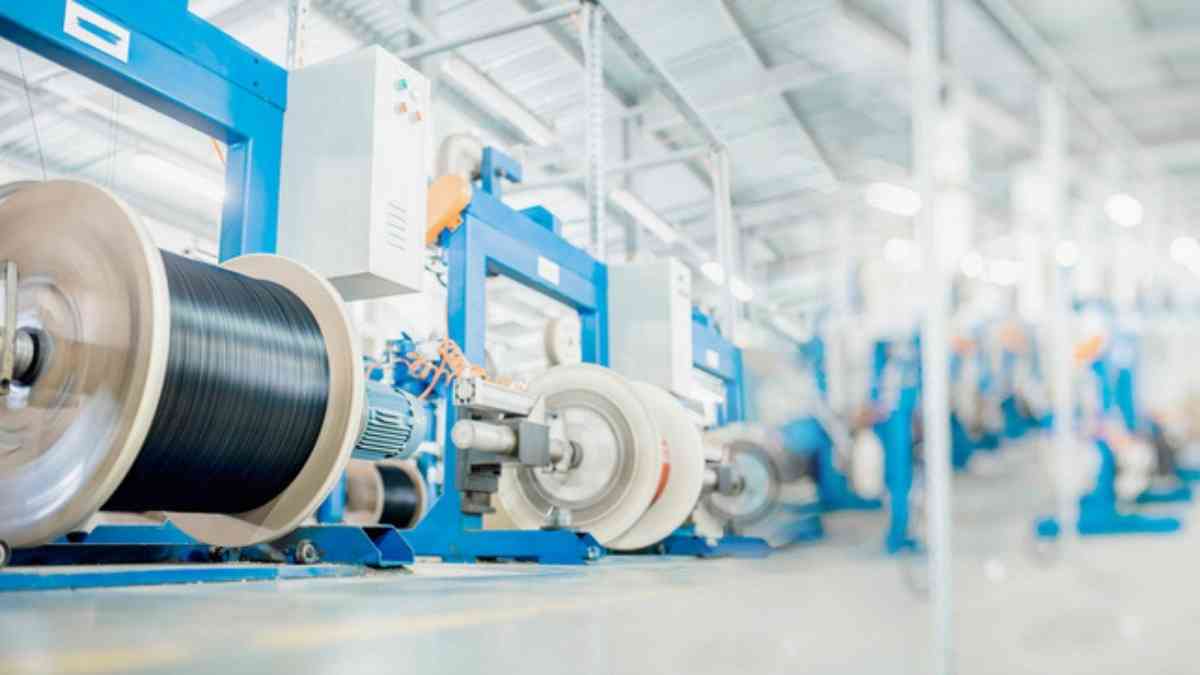
With the cable manufacturing market projected to grow significantly from USD 213 billion in 2023 to USD 319 billion in 2030, effective risk management strategies are increasingly needed to overcome the complexities of supply chain dynamics, technological advancements and regulatory compliance [1].
The sector faces numerous risks, including production inefficiencies, fluctuations in raw material costs and mechanical failures. Each of these challenges can disrupt production processes, increase costs and affect the quality of final products. Electrical risks, such as overheating and voltage fluctuations, pose additional threats to both operational integrity and safety. By identifying and assessing these risks, manufacturers can develop comprehensive mitigation strategies that improve reliability and performance while driving innovation and sustainability in their operations.
Despite the industry’s growth potential, challenges such as supply chain gaps, equipment failures and regulatory compliance issues persist and require constant attention to risk management. As manufacturers navigate these complexities, establishing flexible risk management frameworks will be essential to sustain competitive advantages and maintain long-term operational stability in an increasingly dynamic market environment.
Overview of the Cable Manufacturing Sector
The cable manufacturing industry is a vital sector that produces the wires and cables required for various applications, including telecommunications, energy and transportation. This sector is responsible for the production of cables that facilitate the transmission of electricity, data and signals, thus powering homes and connecting individuals globally.
Cable production involves the conversion of raw materials such as metal rods for conductors and polymer compounds for insulation into finished cable products used in power transmission, telecommunications and various industrial applications.
The value chain typically consists of the following items:
- Procurement of Metals and Polymers: Procurement of high purity copper or aluminum as well as insulating materials.
- Drawing and Annealing: Reducing metal rods to fine wires while increasing conductivity and mechanical properties.
- Insulation and Sheathing: Application of insulation compounds by extrusion processes.
- Stranding and Wiring: Twisting or layering wires in specific configurations to meet technical requirements.
- Quality Control and Testing: Ensuring that cables comply with stringent industry standards and specifications.
In this complex process, each stage reveals its own potential points of failure, from raw material shortages to product defects and logistical challenges. Therefore, a robust risk management framework helps manufacturers to effectively anticipate, mitigate and address these vulnerabilities.
Importance of the Cable Industry
The cable manufacturing industry plays a crucial role in supporting the infrastructure of modern society. As residential and commercial projects continue to expand, cable manufacturers have the opportunity to provide high-quality cables specifically designed to meet the needs of these developments. Ensuring that products meet industry standards for safety, durability and efficiency is of utmost importance for manufacturers looking to gain a foothold in a competitive market. By offering customized solutions and superior customer service, manufacturers can differentiate themselves and build long-term partnerships with contractors, developers and distributors.
Cable Types and Usage Areas
Cables are classified according to their voltage level and intended use. Research shows that high voltage cables are generally used for power transmission at voltages above 33,000 V. Medium voltage cables are suitable for urban and industrial distribution between 1,000 V and 33,000 V. Low current cables are used in low current control and communication systems, usually at low voltages.
Cables are classified according to their transmission capacity and area of use. Here are the basic cable types:
1. High Voltage Cables (HV Cables)
- Definition: 35 kV and above voltage cables.
- Areas of Use: Power plants, substations, high voltage lines.
2. Medium Voltage Cables (MV Cables)
- Definition: Cables carrying voltage levels between 1 kV and 35 kV.
- Areas of Use: Industrial plants, distribution lines, large infrastructure projects.
3. Low Voltage Cables (LV Cables)
- Definition: Cables carrying voltages below 1 kV.
- Areas of Use: Homes, offices, commercial buildings, lighting systems.
4. Weak Current Cables
- Definition: Cables used for low-voltage signal and data transmission.
- Areas of Use: Telecommunications, building automation, fire alarm systems.
5. Fiber Optic Cables
- Definition: Cables that transmit data through light.
- Usage Areas: Internet infrastructure, data centers, defense industry.
6. Automotive Cables
- Definition: Low voltage cables used in in-vehicle electrical systems.
- Areas of Use: Automobiles, electric vehicles.
7. Submarine and Aviation Cables
- Description: Special coated cables for underwater or high altitude operation.
- Areas of Use: Submarine power and internet lines, airplanes, spacecraft.
Industries and Areas where Cables are Used
- White Goods Sector: The global white goods cable market is over 5 billion dollars annually.
- Automotive Sector: The global automotive cable market is over 20 billion dollars.
- Electric Vehicles: Expected to exceed $50 billion by 2028.
- Aerospace: The specialty cable market is estimated to be around $15 billion.
- Industrial Machines: The use of cables in industrial machinery is of great importance in Turkey and in the world.
Cable Manufacturers and Market Analysis in Turkey
Turkey is one of the largest cable producers in Europe. However, although it is strong in some segments, it also has shortcomings in some areas.
Areas of Strength
- Low and Medium Voltage Cables
- Leading manufacturers: Prysmian Group Turkey, HES Kablo, Öznur Kablo, Türk Prysmian, Elcab Kablo
- With their export-oriented growth strategy, they sell to Europe, the Middle East and Africa.
- White Goods Cables
- Turkey is strong in this area thanks to its major white goods manufacturers (Arçelik, Vestel, Beko).
- Telecommunications & Fiber Optics
- Infrastructure investments by companies such as Türk Telekom and Turkcell support growth.
Areas of Weakness
- Electric Vehicle Cables:
- There is dependence on giant manufacturers like LG, Panasonic, Tesla.
- Although electric vehicle projects such as TOGG are developing in Turkey, cable production is limited.
- Aerospace Cables:
- Defense industry companies such as TAI and Roketsan are developing in Turkey, but cable production is dependent on imports.
- Nuclear & Refinery Cables:
- There are not enough domestic producers for specially insulated and high temperature resistant cables.
- Foreign companies are generally preferred in projects such as the Akkuyu Nuclear Power Plant.
Opportunities
- Electric Vehicles (EV) Cables
- Opportunity for TOGG and other automotive brands to transition to local production.
- Battery cables and high voltage cable systems require investment.
- Defense Industry & Aviation Cables
- Drone and rocket technologies are developing in Turkey, but cable production is limited.
- Local cable production for companies such as Roketsan and TAI can be increased.
- Fiber Optic & 5G Cables
- 5G infrastructure is growing, and if domestic cable production is supported, it can be a great advantage.
Threats
- Competition from China and Europe
- China’s cheap production makes price competition difficult.
- Europe’s technological superiority leads Turkey to imports.
- Raw Material Dependency
- Dependence on imports for copper, aluminum and special insulation materials poses a risk.
- Regulations and Environmental Standards
- There may be barriers to exports due to strict environmental regulations in the European Union and the United States.
Powerful Countries in Cable Production in the World
Sectoral Use
Each sector’s cable usage varies according to voltage and current requirements. Homes and offices mostly use low voltage cables (80% estimated usage) and weak current cables (20% for communication). The 2023 global market share for low voltage cables is reported at 43.5% [10]. White and brown goods prefer low voltage (70%) and weak current (30%) cables.
For cars, conventional vehicles use low voltage cables (90%), while electric cars require high voltage cables (60%) and weak current cables for control (40%). The electric vehicle market could reach 266.2 billion USD by 2029 [11]. Refineries and nuclear power plants use high (50%) and medium voltage (30%) cables for power distribution and low current cables (20%) for control systems. Airplanes and rockets use low voltage (70%) and low current (30%) cables with high reliability requirements. Machines prefer low (60%) or medium voltage (40%) cables depending on size and weak current cables for control.
The table below summarizes cable utilization rates by sector:
Cable Manufacturers in Turkey
There are many large cable manufacturers in Turkey such as Vatan Kablo, Reçber Kablo, Öznur Kablo, Nexans, Atom, Ebion Kablo, Unika Kablo and ETK Kablo. These companies are mainly strong in low and medium voltage cables; some of them, such as Vatan Kablo, also produce high voltage cables [12].
Turkey’s cable sector is negatively affected by economic instability, high inflation and exchange rate fluctuations.
Technological Developments
In recent years, the cable manufacturing industry has adopted various technological advances that have improved production processes and enhanced cable quality. The integration of automation and robotics has streamlined production, resulting in consistent quality and productivity gains. Furthermore, innovations in raw materials have enabled the use of environmentally friendly and sustainable materials, reflecting the industry’s commitment to sustainability. As technology continues to evolve, the cable manufacturing industry is at the forefront of innovation, positioning itself to meet the growing demands from various sectors.
Challenges and Opportunities for the Sector
Despite promising growth prospects, the cable manufacturing sector faces several challenges, such as increasing competition and the need for continuous improvement. Manufacturers are encouraged to adopt practices that foster a culture of teamwork and innovation to improve production quality. Furthermore, understanding the dynamics of supply chain flexibility in a competitive environment is crucial for long-term success. Research shows that a less competitive environment tends to foster more stable supply chain relationships, allowing companies to focus on quality and competitive advantages.
Cable Production Global Market Size
Global wire and cable manufacturing market projections signal an expansion to USD 357.34 billion by 2032. Fluctuations in raw material prices combined with uncertainties in the supply chain pose significant operational risks [13].
Asia Pacific markets have a 37.6% revenue share, with regional dominance ahead of the North American and European sectors [14].
Wire and cable activities in the US will reach a value of USD 27.6 billion in 2024, demonstrating the resilience of the market amid economic challenges [15].
Manufacturing plants are grappling with raw material dependencies that account for 70-80% of operating costs [16].
Market pressures are intensified by competition from regions offering lower production costs and more government support. Strategic vulnerabilities remain due to dependence on material imports from Russia, China and the United Arab Emirates.
Types of Risk in Cable Production
Cable manufacturing involves various risks that can significantly impact the overall supply chain and production efficiency. Understanding these risks is essential for effective risk management and quality assurance in the industry.
Top 5 Risk Categories by Impact
- Raw Material Volatility: Copper market indicators reached 8,395 USD/MT in June 2023 [17].
- Supply Chain Disruptions: Delays in material procurement and logistical constraints [18].
- Operational Hazards: Safety measurements show 2.8 incidents per 100 employees [19]
- Regulatory Compliance: Evolving safety protocols and environmental requirements
- Market Competition: International pricing pressures
Risk management protocols need to be systematically improved to overcome these operational challenges. Market analysis predicts that despite the current operational complexities, the industry will show positive growth at a CAGR of 6.23% until 2032 [20].
Sector Specific Risk Factors
Cable manufacturing operations present different technical challenges that require specific risk control protocols. Production personnel face chemical exposure risks from toluene diisocyanate, copper, polypropylene and polyvinyl chloride.
Production Risks
The cable manufacturing process is fraught with risks that can lead to inefficiencies and cost increases. Excessive cost-cutting measures, errors during production and equipment failures can lead to production risks. Effective implementation of quality management systems and regular preventive maintenance are critical in mitigating these risks to keep the supply chain running efficiently and maintain the quality of the final product.
Process Risks
The cable manufacturing process covers several phases, including procurement, production and transportation. Delays in any of these phases can disrupt project timelines and budgets. For example, late deliveries can have increased impacts on project schedules. Furthermore, environmental factors such as extreme temperatures and corrosive chemicals can lead to cable degradation, further complicating the manufacturing process and affecting product reliability.
Operational Hazards
Operational hazards in cable production can include the failure of heavy machinery (e.g. haul-off machines, extruders), inadequate maintenance or human errors during production. For example, overvoltage on pulling lines can break wires, leading to safety incidents and product defects. In addition, the high temperature environments required for extrusion processes pose significant safety and fire hazards.
Safety metrics reveal that 59% of workers face moderate to high-risk conditions. [21]
Electrical Risks
Electrical factors create another layer of risk for cable production. Overloading cables with excessive current can cause overheating and insulation degradation, leading to cable failures that can damage connected equipment and jeopardize system safety. Voltage fluctuations and electrical transients can also disrupt cable functionality, leading to data loss and service interruptions.
Supply Chain Vulnerabilities
Cable producers rely on uninterrupted supplies of metals (copper, aluminum) and insulation materials. Commodity price fluctuations, geopolitical tensions affecting mining operations and logistical bottlenecks such as port closures or shipment delays can disrupt production. Vendor reliability is also crucial: A single non-compliant supplier can lead to quality defects in thousands of cable units. Fluctuations in raw material costs affect 70-80% of supply chain spending. [22]
Regulatory and Compliance Risks
Regulations for cable manufacturing span multiple jurisdictions and include electrical safety, fire resistance, electromagnetic interference (EMI) and environmental impacts. Non-compliance can result in fines, product recalls and reputational damage.
Technical specifications mandate full compliance with safety standards and environmental guidelines. Product certification protocols require the application of the Construction Products Regulation for fire resistance and operational parameters.
Market and Financial Risks
Economic fluctuations, currency fluctuations and global competition directly affect the cable manufacturing sector. Metal prices can rise or fall, affecting production costs. Competitive market pressures may force manufacturers to reduce prices, jeopardizing the budget available for basic risk controls such as equipment upgrades or employee training.
In addition, keeping up with evolving standards, such as restrictions on hazardous substances or the European Union’s CE marking, requires constant vigilance and documentation.
Material Cost Risks
Managing material costs is a significant risk in cable manufacturing, as materials can account for more than 65% of the total manufacturing cost. [23]
As poor quality cables may pose more risk to end users, manufacturers must strike a delicate balance in taking cost management measures while ensuring that cable quality does not suffer. Fluctuations in the availability and prices of raw materials, particularly copper and aluminum, can also directly affect production costs and the final price of cables [24].
Environmental and Sustainability Concerns
Cable production often involves significant energy consumption for melting, drawing and extrusion of materials, leading to high carbon footprints if not managed responsibly. Furthermore, the disposal of industrial waste (scrap metals, polymer cuttings) can create environmental liabilities. As sustainability becomes a key market differentiator, failure to adopt environmentally friendly processes can damage brand image and limit market access.
Manufacturing facilities are prioritizing emission reduction targets and industry leaders are committing to carbon neutrality by 2035. [25]
Energy optimization measures include LED systems, motion-activated controls and high-efficiency power units.
On 29.12.2023, the Public Oversight Authority decided to adopt the international standards published by the International Sustainability Standards Board (ISSB) as the basis for the Turkish Sustainability Reporting Standards. TSRS 1 aims for businesses to disclose sustainability risks and opportunities and TSRS 2 aims for businesses to disclose climate-related risks and opportunities.
On the other hand, the Corporate Sustainability Reporting Directive (CSRD) adopted as part of the EU Green Deal envisages mandatory sustainability reporting and assurance auditing of these reports for approximately 50,000 enterprises in the EU. Businesses exceeding the thresholds are obliged to report as of 01.01.2024; during the transition period, large enterprises are exempted from calculating “Scope 3” carbon emission data in the first two periods.
Mechanical and Environmental Risks
Cables are susceptible to mechanical damage and environmental factors. Harsh chemicals and solvents in industrial environments can corrode insulation and weaken conductors. In addition, atmospheric elements such as moisture and salt can cause corrosion, affecting the integrity of cable connectors and conductors. Extreme temperatures can also adversely affect cable materials, leading to problems such as brittleness in cold environments or melting of insulation in high heat, both of which can cause cable failure. By recognizing these various risks, manufacturers can develop comprehensive risk mitigation strategies that improve cable performance and reliability in a variety of applications.
Risk Assessment Matrix Application
Technical risk assessment examines probability factors against severity indicators. Matrix analysis gives high, medium or low risk classifications based on quantified assessment protocols.
Critical Control Points in Production
Quality assurance protocols set strategic control points for hazard mitigation. Technical specifications require four-hour monitoring intervals during active operations.
Real-Time Risk Monitoring Systems
Precision monitoring equipment uses distributed acoustic sensing for fault detection. Machine learning algorithms process operational data streams to generate real-time status alerts.
Risk Assessment Techniques and Frameworks
Methodical risk assessment protocols set basic production safety standards. Modern cable manufacturing plants prioritize proactive risk identification and analysis frameworks [26].
Hazard Identification Methods
Technical assessment protocols use four specific tools: documentation analysis through operational manuals and security specifications, equipment assessment protocols, personnel consultation mechanisms and incident investigation procedures. These methodologies enable early detection of system vulnerabilities.
Failure Mode and Effect Analysis (FMEA)
The FMEA methodology provides the basic risk assessment standards for excellence in cable manufacturing. Technical parameters cover three measurement criteria:
- Severity (S): Technical scale from 1-10 measuring the magnitude of impact
- Occurrence (O): 1-10 probability metrics measuring the frequency of failure
- Detection (D): 1-10 scale assessing identification capability
The Risk Priority Number (RPN) calculation guides resource allocation decisions. Technical experts use CaFEA-Cable Failure Effect Analysis tools for precise FMEA application in production environments.
Probability and Impact Analysis
After identifying risks, manufacturers usually assess the likelihood (probability) and severity (impact) of each event. In cable manufacturing, a severe event could be catastrophic machine failure leading to long downtimes, while a lower impact event could be a short-term raw material delay. A risk matrix can help visually map these probabilities and impacts, guiding decision makers on where to focus their mitigation efforts.
Risk assessment protocols follow dual methodological approaches. Qualitative methods offer categorical risk classifications through expert analysis, suitable for preliminary assessments. Technical quantification procedures apply mathematical precision through advanced modeling techniques.
Qualitative and Quantitative Assessment
Manufacturing plants integrate both assessment protocols, emphasizing quantitative precision for high-risk operational segments. Cable manufacturing experts use advanced computational tools for mathematical risk modeling. This balanced methodology ensures precise risk assessment across operational parameters.
Qualitative Assessment: Relies on expert opinion, checklists and scoring systems to classify risks. This method is faster and particularly useful for initial screenings.
Quantitative Assessment: Uses statistical models and simulations (such as Monte Carlo analysis) to estimate financial loss or operational downtime in more detail. This approach requires robust data and expertise, but offers more precise insights for large-scale, high-risk decisions.
Mitigation Strategies and Best Practices
Excellence in cable manufacturing requires precisely designed risk controls focused on equipment performance optimization and technical workforce competence. Manufacturing plants using structured maintenance protocols have reported a 30% reduction in operational disruptions [27].
Preventive Maintenance and Equipment Renewals
A proactive maintenance program keeps equipment in top condition, reducing the risk of unexpected breakdowns. Regular lubrication, parts replacement and performance tests prevent expensive downtime. As production volumes increase or technology advances, upgrading to modern machinery (e.g. more efficient extruders) can save energy costs, improve product quality and reduce downtime.
Technical maintenance specifications mandate assessment of critical components at four-hour intervals. Professional development through the Society of Cable Telecommunications Engineers (SCTE) covers 70 specialized courses and 13 certifications. [28]
Basic maintenance protocols include:
- Systematic equipment decontamination
- Strategic component lifecycle management
- Precise bracket calibration
- Guide channel performance optimization
- Programmed lubrication protocols
Workforce Training and Competency Programs
Human error continues to be a significant contributor to industrial accidents. Continuous training keeps employees up to date on safety protocols, procedures for handling hazardous materials and the latest regulatory changes. Emphasizing a safety-first culture can increase morale and retention while reducing accidents.
Quality Control and Test Protocols
Quality assurance mechanisms range from material verification to product certification. Technical specifications require continuous monitoring of parameters such as cable dimensions, insulation measurements and performance indicators. Quality-oriented plants document significant improvements in production precision and customer satisfaction.
Consistency in cable quality is crucial. Best practices include:
- In-Line Monitoring: Automatic sensors and cameras that check cable diameter, insulation thickness and tension in real time.
- Laboratory Tests: Physical tests (tensile strength, elongation, aging), electrical tests (conductor resistance) and safety tests (flammability).
- Statistical Process Control: Continuous data analysis to identify trends and deviations before they become quality issues.
Supplier Management and Diversification
Considering that raw material expenditures account for 70-80% of production costs, strategic supplier diversification is of great importance. [29]
Vendor-managed inventory systems show increased supply chain stability.
To mitigate supply chain risks, manufacturers should establish robust supplier qualification criteria and processes, including audits and performance assessments. Diversifying the supplier base for critical materials such as copper or polymers provides a buffer against disruptions due to natural disasters, supplier bankruptcy or geopolitical tensions.
Emergency Planning
Even the best precautions cannot eliminate all risks. A comprehensive emergency plan should include the following:
- Backup Production Lines: Secondary lines or shared facilities that can absorb production in case of failure of the primary line.
- Alternative Transportation Routes: Backups in transportation schedules, especially if working with remote or high-risk areas.
- Emergency Response Teams: Trained employees who can quickly deal with equipment failures, chemical spills or severe weather events.
Technical contingency protocols establish precise recovery parameters, setting supply and production timelines.
Protocol implementation delivers measurable performance gains across manufacturing operations. Technical forecasts show accelerating adoption of automated monitoring systems and data-driven maintenance excellence.
Operational Risk Management Framework
Technical excellence requires structured risk management protocols aligned with business objectives. Risk mitigation priorities focus on day-to-day operational parameters, as distinct from strategic and financial considerations.
Professional risk management frameworks require four technical elements:
- Risk identification and assessment methods
- Measurement and control protocols
- Systematic monitoring procedures
- Performance reporting mechanisms
Manufacturing plants using these frameworks demonstrate improved competitive advantages by increasing the clarity of manager decisions and operational risk assessment. [30]
Technical specifications categorize operational risks in terms of personnel factors, technological parameters, brand exposure and legal requirements.
Protocol implementation enables measurable cost reduction through systematic loss prevention. The effectiveness of the framework depends on precise role definition within risk management teams and established communication protocols.
Technical audit programs strengthen customer relationships and stakeholder trust. Risk frameworks optimize operational procedures through data-validated decision protocols. Manufacturing plants report significant improvements in operational metrics and financial planning accuracy. [31]
Market analysis shows increasing adoption of technical risk controls and automated monitoring solutions. Production facilities that emphasize operational risk excellence demonstrate enhanced adaptability, securing the potential for sustainable growth in changing market conditions.
Technology-Focused Risk Controls
Technical excellence in cable manufacturing risk management requires sophisticated monitoring protocols. Production facilities use networks of sensitive sensors combined with advanced analytical systems.
Internet of Things (IoT) Based Risk Detection Systems
Technical specifications position IoT sensors along cable pathways to monitor current parameters and physical integrity, enabling rapid fault detection. Manufacturing plants reported 70% accuracy in fault detection over a nine-month evaluation period. [31]
These precision monitoring solutions maintain operational excellence without compromising the integrity of existing infrastructure.
Predictive Analytics for Risk Prediction
Technical analysis from ENMAX Power Corp. reveals that cable failures will account for 27% of fault events through 2020. Proprietary protocols combine geographic data with machine learning algorithms to create a five-stage fault prediction methodology. Technical validation confirms 70% accuracy in risky cable identification. Advanced alarm analysis improves system capabilities by driving precise maintenance protocols. [32]
Benefits of the Digital Twin App
McKinsey technical analysis shows that 86% of organizations recognize digital twin practices and 44% are actively implementing them. [33]
Technical advantages include the following:
- Precise scenario modeling without operational disruption
- Early-stage problem detection protocols
- Product variation testing with resource optimization
- Real-time maintenance optimization through data correlation
Technical implementation requires precise data collection and validation protocols. Manufacturing plants must evaluate system benefits against resource requirements, which is especially crucial for small operations. Market analysis shows that adoption of the technology is increasing as the automotive industry establishes standards of practice for manufacturing excellence.
Environmental and Compliance Risk Management
Professional environmental management protocols set rigorous standards for manufacturing excellence. ISO 14001 certification provides structured methodologies for reducing environmental impact.
ISO 14001 Implementation Framework
Certified protocols deliver measurable performance gains, including
- Precision waste minimization systems
- Improved regulatory compliance
- Resource optimization protocols
- Strengthening market position
Manufacturing plants report significant energy efficiency, documenting a 70% reduction in energy consumption through systematic controls. [34]
Quality assurance mechanisms ensure sustainable environmental excellence by following the Plan-Do-Check-Act methodology.
Carbon Footprint Reduction Strategies
Leading cable manufacturers demonstrate environmental leadership with carbon neutrality commitments targeted for 2035. Operational excellence programs deliver measurable environmental improvements.
Fleet optimization protocols document significant improvements with electric vehicle programs that reduce fuel consumption and carbon emissions. [35]
Advanced technologies, especially Pastel B systems, achieve a 15% CO2 reduction, equivalent to 20 tons per plant per year. [36]
Market analysis shows that the adoption of environmental management systems is accelerating and zero waste to landfill targets have been set for 2024.
Case Studies from Around the World
Schneider Electric: Fire and Safety Risks in Cable Manufacturing
Schneider Electric, a major European cable manufacturer, faced operational risks due to fire hazards in production. The company applied advanced fire retardant coatings and improved factory layout to reduce risk. [37]
Key Lessons:
- Fire-resistant materials were developed in production.
- Automatic fire extinguishing systems were installed.
- Regular risk assessments and employee trainings were conducted.
Chinese cable manufacturing giant: Supply Chain Risk Management in the Cable Industry
A Chinese cable manufacturing giant faced supply chain disruptions due to geopolitical tensions and raw material shortages. The company mitigated risks by diversifying its suppliers and using blockchain-based supply chain tracking. [38]
Important Lessons:
- We moved from single-source suppliers to multi-source suppliers.
- Blockchain was used for real-time supply chain tracking.
- Built regional warehouses to reduce shipment delays.
German cable manufacturer: Smart Manufacturing and Automation Risks in Cable Production
A German cable manufacturer adopted automated robotic assembly lines, reducing labor costs but introducing maintenance risks. [39]
Important Lessons:
- Predictive maintenance using artificial intelligence.
- Staff trained in robotic system troubleshooting.
- Downtime has been reduced by using IoT sensors for real-time monitoring.
Case Studies from Turkey
HES Cable Overcoming Supply Chain Disruptions
HES Kablo, one of Turkey’s largest cable manufacturers, faced a significant challenge during the 2020 pandemic when global transportation delays disrupted copper imports. The company mitigated this challenge by diversifying its supplier base in Europe and Asia while increasing local sourcing. HES Kablo demonstrated resilience through strategic supply chain adjustments, bringing production capacity to pre-pandemic levels by 2021.
HES Hacılar Digital Transformation and Cybersecurity Risks in Cable Production
HES Hacılar, a successful Turkish cable company, adopted Industry 4.0 technologies, including IoT-based predictive maintenance and smart sensors. This has increased efficiency but also raised cybersecurity risks.[40]
Important Lessons:
- Firewalls and encrypted data networks were implemented.
- Employees were trained on cyber risk awareness.
- AI-driven predictive maintenance was used to prevent operational failures.
Borsan Kablo A Solid Internal Audit Foundation
Borsan Kablo outsourced internal audit services for three years in order to analyze company risks and internal control processes more comprehensively. As a result of the macro risk assessment and internal control system assessment based on International Internal Audit Standards, COSO Internal Control Framework and COSO Enterprise Risk Management approach, the actions determined in line with the findings and recommendations were implemented. In this way, the company has built a successful internal audit foundation. [41, 42]
Nexans Turkey: Energy Efficiency and Sustainability Risks in Cable Production
Nexans Turkey, one of Turkey’s leading cable manufacturers, is focused on sustainability but faces risks related to energy consumption and carbon emission regulations. [43]
Important Lessons:
- Renewable energy sources were switched to in factories.
- Energy-efficient machines were adopted.
- ISO 14001 certified environmental management systems are used.
Trends and Projections for Global, Europe and Turkey (2025-2035)
The cable manufacturing industry is undergoing rapid transformation due to technological advancements, sustainability goals and increasing demand for energy and data transmission infrastructure. Below are the cable manufacturing trends globally, in Europe and Turkey, as well as expectations for production figures, production volume and number of producers in the coming years.
Global Cable Manufacturing Industry Trends and Forecasts (2025-2035)
Market Growth and Production Volume
- 2025: With increasing investments in renewable energy, 5G and electric vehicle (EV) infrastructure, the global cable manufacturing market is projected to reach USD 260 billion.
- 2030: The market size is expected to grow to $350 billion and production volume is expected to exceed 150 million kilometers of cable annually.
- 2035: It is estimated to exceed $450 billion, with increasing demand for industrial automation focused on smart grids, fiber optic networks and artificial intelligence.
Key Growth Drivers
- Renewable Energy: Solar and wind power projects are increasing demand for high-voltage cables.
- Electric Vehicles (EVs): The adoption of electric vehicles will increase the need for charging station cables and battery cables.
- 5G & Fiber Optics: Increasing global internet penetration is driving demand for fiber optic cables.
- Smart Cities and IoT: Increasing connectivity and data transmission needs will increase network cable production.
Number of Producers and Regional Distribution
- 2025: An estimated 2,500 cable manufacturers worldwide.
- 2030: Expected to reach 3,000 producers, mainly in China, the US, Germany and India.
- 2035: Growth will stabilize at 3,500 producers as increasing automation reduces labor dependency. [44]
European Cable Manufacturing Industry Trends and Forecasts (2025-2035)
Market Growth and Production Volume
- 2025: The European cable market, which produces 50 million kilometers of cable annually, is estimated at 90 billion dollars.
- 2030: It is estimated to reach $120 billion with increasing demand from green energy and digitalization.
- 2035: Hydrogen energy is expected to grow to $150 billion, driven by transmission cables, smart infrastructure and 6G networks.
Key Growth Drivers
- The EU’s Green Deal: Investments in sustainable energy and power transmission require advanced cabling solutions.
- 5G Expansion: Growing demand for fiber optic cables across Europe.
- Rail and Transportation Electrification: High-speed rail networks and electric vehicle charging infrastructure will increase cable demand.
Number of Producers and Key Players
- 2025: Europe will have around 450 cable manufacturers, mainly in Germany, Italy and France.
- 2030: Estimated to rise to 500 producers with the emergence of Eastern Europe as a production hub.
- 2035: Manufacturers are expected to fall to 450 as automation and mergers streamline the market. [45]
Turkey Cable Manufacturing Sector Trends and Forecasts (2025-2035)
Market Growth and Production Volume
- 2025: The Turkish cable market is estimated to reach $8 billion, producing 4 million kilometers of cable.
- 2030: The market size is expected to increase to USD 12 billion, driven by export growth and infrastructure development.
- 2035: Expected to reach $18 billion as smart city projects and digital transformation increase demand.
Key Growth Drivers
- Belt and Road Initiative: Turkey’s role in China’s global trade network boosts exports.
- Renewable Energy: Investments in solar and wind energy projects require high-performance cables.
- Domestic 5G Deployment: Turkey’s 5G infrastructure projects will increase fiber optic demand.
- Defense and Aerospace Industry: Military grade cables are expected to grow due to the expansion of Turkey’s defense sector.
Number of Producers and Export Growth
- 2025: Turkey will have around 100 cable manufacturers focusing on energy and fiber-optic cables.
- 2030: This number is expected to reach 130 producers, with more exports to the Middle East and Africa.
- 2035: The number of producers is expected to be around 120 as consolidation and digital automation reduce small players. [46]
Turkey Cable Manufacturing Sector Statistics
- Market Size and Growth: The Turkish cable manufacturing sector will be worth approximately EUR 2.5 billion in 2025, growing at a compound annual growth rate (CAGR) of 4.2% from 2020 to 2025, driven by demand in the energy and telecom sectors.
- Export Volume: Turkey has emphasized its role as a key supplier by exporting cables worth €1.8 billion in 2023, 60% of which will go to Europe.
- Employment: The sector makes a significant contribution to Turkey’s manufacturing workforce, employing more than 25,000 workers in more than 200 enterprises.
- Occupational Safety: According to the Social Security Institution, the manufacturing sector, including cable production, accounted for 52% of work accidents in Turkey, with 242,537 incidents reported between 2013 and 2016, underscoring the need for improved safety measures.
- Fiber Optic Segment: The fiber optic cable market in Turkey reached EUR 1 billion in 2025, but declined at a CAGR of 17.9% since 2019 due to increasing competition and compliance costs. [47, 48, 49, 50, 51, 52, 53, 54, 55, 56, 57, 58, 59, 60, 61]
Cable Manufacturing Industry Growth Projections (2025-2035)
The cable manufacturing sector is poised for strong growth, driven by renewable energy, 5G and electric vehicle infrastructure.
- Global expansion will continue and China, the US and Germany will lead production.
- Europe will focus on green energy and fiber optic networks.
- Turkey will strengthen its role as an important regional supplier by increasing its exports to Europe, Africa and the Middle East.
Key Risks in Turkish Cable Production

- Raw Material Price Volatility: The sector depends on commodities such as copper, aluminum and polymers, which are subject to price volatility due to global demand, geopolitical unrest or supply constraints. For Turkish producers, dependence on imported materials further increases this risk due to exchange rate fluctuations.
- Supply Chain Disruptions: Global events such as pandemics, transportation delays or trade disputes can disrupt production timelines by halting the supply of key components. Turkey’s position as a manufacturing hub increases its exposure to such risks.
- Quality Control Failures: Substandard cables can lead to catastrophic failures such as electrical fires or data outages. In Turkey, where cables support critical infrastructure projects, quality issues can damage reputations and lead to legal penalties.
- Regulatory and Compliance Risks: Compliance with international standards (e.g. IEC, UL) and local regulations (e.g. Turkish Standards Institute) is mandatory. Non-compliance risks fines, market bans or suspension of operations.
- Technological Obsolescence: The transition to fiber optics, smart cables and sustainable materials requires continuous innovation. Turkish firms lagging behind in R&D may lose competitiveness in a rapidly evolving market.
- Workplace Safety Hazards: Manufacturing involves heavy machinery and hazardous processes, posing a risk of injury or death. Occupational safety in Turkey remains a critical concern given the sector’s high accident rates.
- Environmental and Sustainability Pressures: Increasing emphasis on environmentally friendly production is forcing manufacturers to reduce waste and emissions. Environmental regulations in Turkey are tightening and impacting operational costs.
Risk Management Strategies

- Diversify Supply Chains: Sourcing from multiple suppliers and maintaining buffer stocks can reduce disruptions.
- Implement Robust Quality Assurance: Automated testing and traceability systems ensure consistent quality, reducing the risk of errors.
- Hedging against price fluctuations: Financial instruments such as futures contracts stabilize costs across volatile commodity markets.
- Stay Ahead of Regulatory Changes: Regular audits and compliance training ensure operations are aligned with evolving standards.
- Invest in R&D and Innovation: Developing cutting-edge products, such as fire-resistant or recyclable cables that can be made with different materials, ensures market relevance.
- Improve Workplace Safety: Strict safety protocols and training reduce workplace accidents.
- Adopt Sustainable Practices: Using green materials and optimizing energy use are in line with environmental goals and regulations.
- Leverage Technology for Risk Monitoring: AI-driven tools provide real-time insights into manufacturing and supply chain risks.
Build a Future Resilient to Risks
Risk management in cable manufacturing requires a proactive and integrated approach. The Turkish industry, with its strong export market and strategic innovation, exemplifies both the challenges and opportunities of this sector. Meanwhile, statistics reveal the scale of the industry and the urgency of addressing safety and sustainability issues.
As Turkey continues to supply cables for global infrastructure, from 5G networks to renewable energy projects, mastering risk management will be key to maintaining its edge. Manufacturers that invest in resilience today will not only survive, but thrive, shaping a connected and sustainable tomorrow.
Cable Industry Risk Management Solutions with Teolupus
If you want to manage the complex processes of strategic planning in the cable manufacturing sector and gain competitive advantage while minimizing risks, Teolupus is here for you. Manufacturing organizations seeking professional risk management guidance can schedule a meeting with Teolupus for custom operational solutions.
In the cable manufacturing sector, the lack of strategic planning and difficulties in the full implementation of management systems often lead companies to an interdepartmental “silo” approach and disconnected business processes. As Teolupus, we are at your side to eliminate this complexity and turn change into an opportunity by preparing strategic plans in line with your company goals. We conduct a wide range of analyses from product quality-price balance to distribution and financial management processes; we reveal risks and opportunities in all critical areas such as accounting, procurement, human resources, corporate culture and customer satisfaction. Thus, we support you to create sustainable competitive advantage by reporting your company’s strengths and weaknesses in line with strategies.
We also guide restructuring processes for companies that want to adopt a customer-oriented organizational structure; we make your operation efficient through process designs and procedure reviews. We design and monitor the necessary analyses to increase the satisfaction of your customers and employees. In addition, we add value to every stage of the strategic planning process by implementing management tools such as benchmarking with international best practices, corporate culture and quality measurement, and lean production. Thanks to this holistic approach, we eliminate the silo mentality and ensure that your company takes firm steps towards its growth targets.
In Turkey, there are different risks that come from the lack of institutionalization in many companies: For example, succession planning, succession, lack of written processes, lack of written procedures, lack of written procedures, lack of control over the implementation of written procedures, weakness in written culture, lack of corporate governance principles (e.g. accountability)
Our experienced team aims to provide solutions to the unique needs of cable production and support businesses in achieving their strategic goals. Let’s move forward together towards a strong and sustainable future in this highly competitive and changing field.
Take advantage of Teolupus consulting solutions to build a secure, flexible and future-ready structure in your operations!
References
[1] https://blog.osum.com/cable-manufacturing-industry-overview/
[2] https://www.statista.com/statistics/1174003/global-electric-vehicle-cable-market/
[3] https://www.marketresearchfuture.com/reports/oil-gas-cable-market-9253
[4] https://www.mordorintelligence.com/industry-reports/nuclear-power-cable-market
[6] https://www.statista.com/statistics/1164560/global-cable-market-share/
[7] https://www.siemens.com/global/en.html
[9] https://www.panasonic.com/global/home.html
[10] https://www.grandviewresearch.com/industry-analysis/wire-and-cable-market-analysis-market
[11] https://www.marketsandmarkets.com/Market-Reports/wire-and-cable-market-247134084.html
[12] https://www.vatan.com.tr/en
[13] https://www.fortunebusinessinsights.com/wires-and-cables-market-103322
[14] https://www.grandviewresearch.com/industry-analysis/wire-and-cable-market-analysis-market
[15] https://www.gminsights.com/industry-analysis/wire-and-cable-market
[16] https://www.ul.com/insights/key-industry-issues-facing-wire-and-cable-manufacturers
[17] https://www.fortunebusinessinsights.com/wires-and-cables-market-103322
[19] https://www.bls.gov/web/osh/table-1-industry-rates-national.htm
[20] https://www.fortunebusinessinsights.com/wires-and-cables-market-103322
[22] https://www.ul.com/insights/key-industry-issues-facing-wire-and-cable-manufacturers
[23] https://www.basec.org.uk/news/2019/5/28/managing-cable-production-risks/
[24] https://www.machinemetrics.com/blog/quality-assurance
[25] https://www.ncta.com/whats-new/the-cable-industrys-commitment-environmental-sustainability
[30] https://www.auditboard.com/blog/operational-risk-management/
[31] https://www.leadventgrp.com/blog/how-predictive-analytics-can-predict-cable-failures
[35] https://www.ncta.com/whats-new/the-cable-industrys-commitment-environmental-sustainability
[37] https://electrical-engineering-journal.com/cable-fire-risk-case-study/
[38] https://hbr.org/supply-chain-risk-cable-industry
[39] https://www.siemens.com/smart-cable-factories
[40] https://www.se.com/ww/en/insights/digital-transformation-cable-manufacturing/
[41] https://teolupus.com/borsan-kabloda-ic-denetim/
[42] https://www.borsan.com.tr/
[43] https://www.turkishenergyforum.com/sustainable-cable-manufacturing/
[44] https://www.grandviewresearch.com/
[45] https://commission.europa.eu/index_en
[47] https://www.sciencedirect.com/science/article/abs/pii/S0169814116301032
[49] https://data.tuik.gov.tr/Bulten/Index?p=45836&dil=2
[50] https://www.invest.gov.tr/en/library/publications/lists/investpublications/ict-industry.pdf
[51] https://www.worldbank.org/en/country/turkey/overview
[52] https://en.wikipedia.org/wiki/Economy_of_Turkey
[53] https://data.tuik.gov.tr/Kategori/GetKategori?p=sanayi-114&dil=2
[54] https://www.tuik.gov.tr/Home/Index
[55] https://stps.metu.edu.tr/en/system/files/stps_wp_1801.pdf
[56] https://apem-journal.org/Archives/2020/Abstract-APEM15-1_057-068.html
[57] https://www.ibisworld.com/united-states/industry/wire-cable-manufacturing/804/
[59] https://www.crugroup.com/en/commodities/wire-and-cable